Contract-based coordination for kitchen tools, preparation accessories, storage goods, cleaning items, and table-use programs serving wholesale, retail, hospitality, and platform buyers.
Kitchen Category Planning
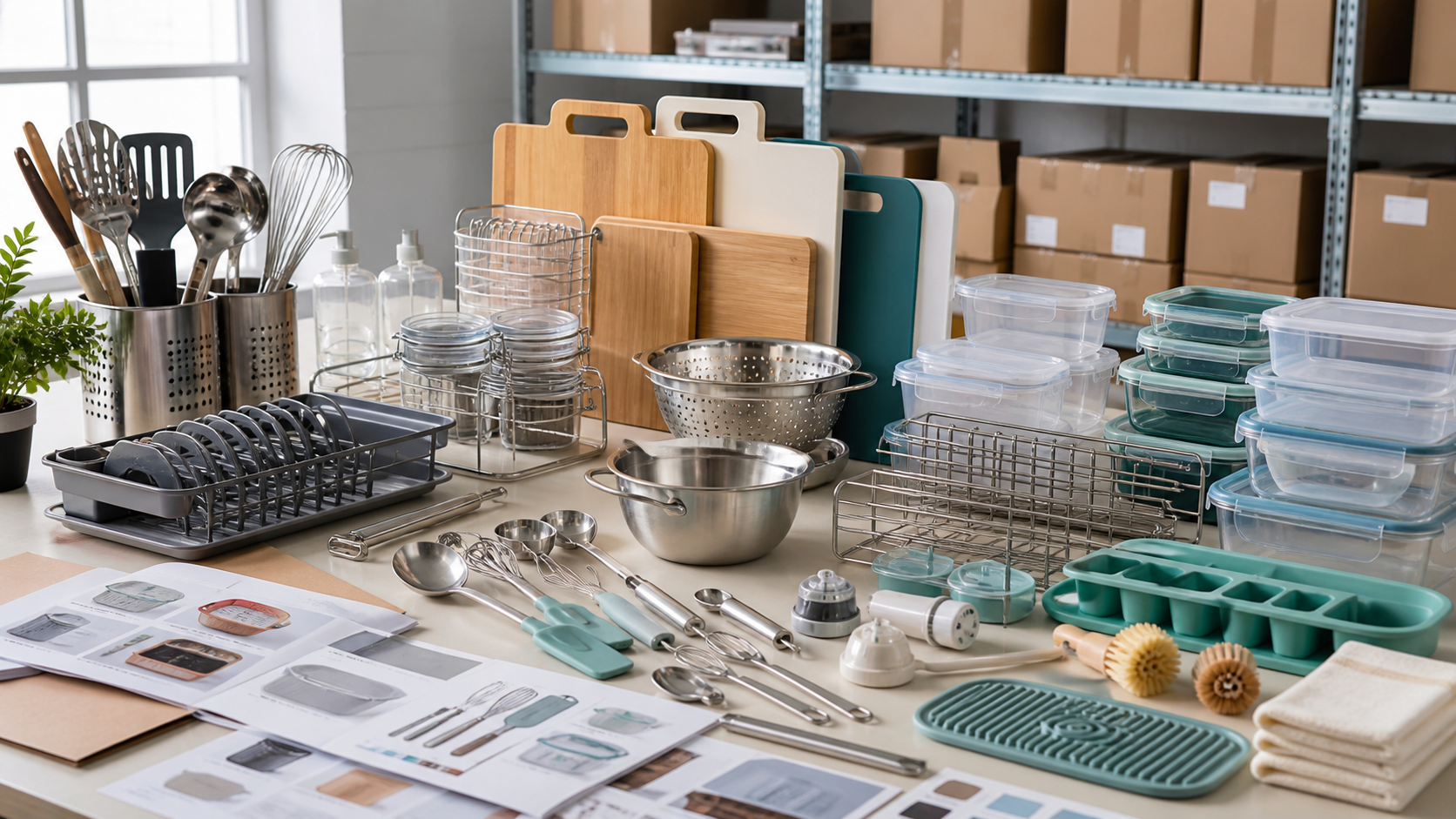
Glow Organism Tech LLC supports B2B kitchen goods programs that require practical assortment planning, packaging clarity, and dependable bulk delivery communication. Kitchen goods may include preparation tools, utensils, cutting boards, containers, storage accessories, dish racks, cleaning items, table-use accessories, food organization goods, and kitchen utility products. These categories are highly practical and often need clear material notes, size options, heat or use limitations, packing methods, and carton data before buyers can make responsible commercial decisions.
The work begins with a B2B inquiry that identifies the buyer channel, destination market, target category, expected quantity, packaging preference, and delivery window. We then structure the requirement into a product matrix so commercial teams can compare item groups, review priorities, and specification gaps. This helps customers avoid scattered communication and supports a contract-based cooperation path from early discussion through production scheduling, quality review, logistics coordination, and delivery follow-up.
Practical Review Needs
Kitchen programs often involve several materials, such as stainless steel, plastic, silicone, wood, glass, ceramic, fabric components, or mixed packaging. Each material can affect the review process. Buyers may need to confirm surface finish, grip comfort, lid fit, edge smoothness, capacity, stackability, color, barcode placement, inner packing, or care instructions. We help define these details in plain business language and identify which points should be evaluated through pre-production review units before contract release.
Quality review expectations are especially important when kitchen goods are sold through repeat channels. A storage container program may require lid sealing checks and carton compression notes. A utensil set may require finish consistency and packaging insert review. A cleaning accessory program may require brush stiffness, hanging structure, and bundle count confirmation. By documenting criteria before production, both sides can communicate about quality disputes with less ambiguity and greater efficiency.
Channel Support
Different customers need different kitchen goods programs. A wholesale distributor may want high-volume staples with neutral packaging and reliable carton planning. A chain retailer may need a coordinated aisle refresh with good display logic. A hospitality buyer may need back-of-house utility goods that can withstand repeated daily use. An ecommerce operator may need product data, dimensions, care notes, and packaging images aligned before listing work begins. Our role is to coordinate the B2B path and keep requirements organized.
The website does not process direct consumer transactions. Cooperation is advanced through email or form inquiry, business communication, confirmed requirements, contract agreement, production scheduling, logistics coordination, and documented quality review. This structure gives buyers a clear basis for planning kitchen programs that fit their commercial channels.
For multi-item kitchen programs, we can also identify which goods should be reviewed together. Matching containers with organizers, preparation tools with cleaning accessories, or table-use items with storage goods can improve display logic and reduce duplicated packaging decisions. This helps buyers control assortment breadth without creating unnecessary operational complexity.
When destination markets require different packaging languages or carton marks, we can separate shared specifications from market-specific details. That structure helps a buyer discuss one kitchen program across several channels while keeping contract documents, production scheduling, quality review, and logistics coordination aligned for each destination.
Service Process
Requirement intake: confirm company details, destination market, kitchen category range, quantity, packaging needs, and timeline.
Specification review: define material, size, capacity, finish, use notes, packaging format, carton quantity, and label requirements.
Pre-production review units: coordinate selected kitchen goods for buyer inspection where contract approval requires physical review.
Contract and schedule: align pricing basis, payment arrangement, production scheduling, quality review criteria, and logistics responsibilities.
Delivery coordination: maintain business communication for production updates, packing confirmation, export documentation, and delivery follow-up.
Advantages
Organized handling of broad kitchen categories across preparation, storage, cleaning, table-use, and utility goods.
Practical specification planning that supports buyer review and reduces contract ambiguity.
Quality review criteria for materials, dimensions, finish, function, packaging, and carton integrity.
Useful coordination for wholesale, chain retail, hospitality, facility, and platform channels.
Clear workflow from B2B inquiry to contract fulfillment, production scheduling, logistics coordination, and quality dispute handling.
Customer Types
Kitchenware distributors requiring reliable bulk communication and recurring category planning.
Hospitality and facility buyers sourcing back-of-house kitchen utility and cleaning items.
Private label teams coordinating packaging, labels, review units, and contract documentation.
Ecommerce businesses requiring item data, packaging details, and logistics planning before launch.
Anonymized Use Cases
Kitchen Storage Program
A platform seller needed food storage containers, organizers, and preparation accessories grouped by size and use case. We prepared a specification matrix, packaging notes, review unit plan, and logistics coordination schedule before contract approval.
Retail Utility Assortment
A retail buyer planned a kitchen utility refresh across stores. We organized cleaning accessories, utensils, dish racks, and table-use items into a category program with quality criteria and production scheduling milestones.